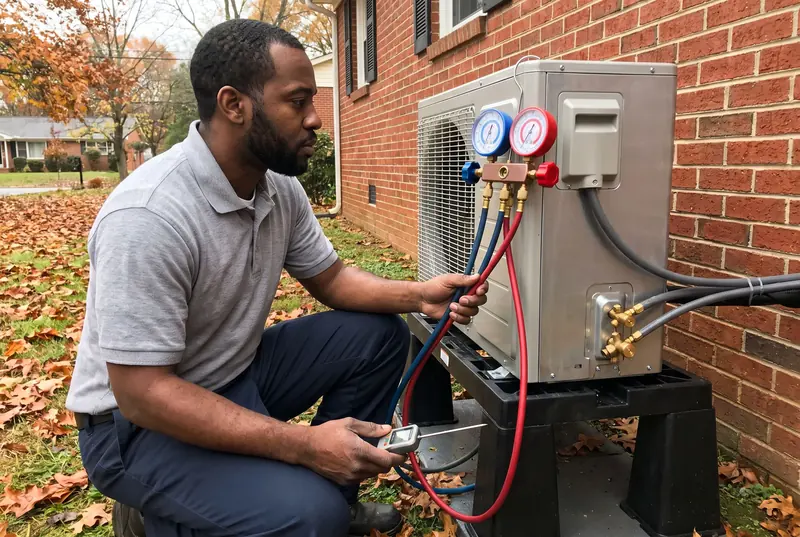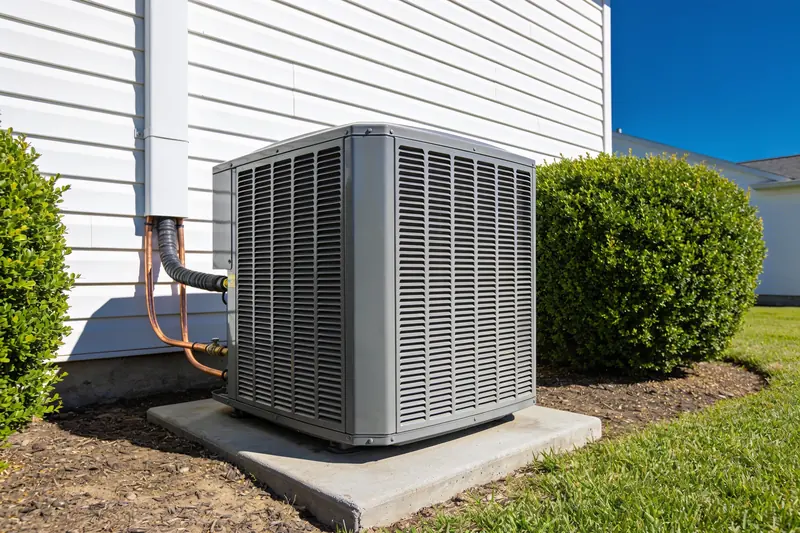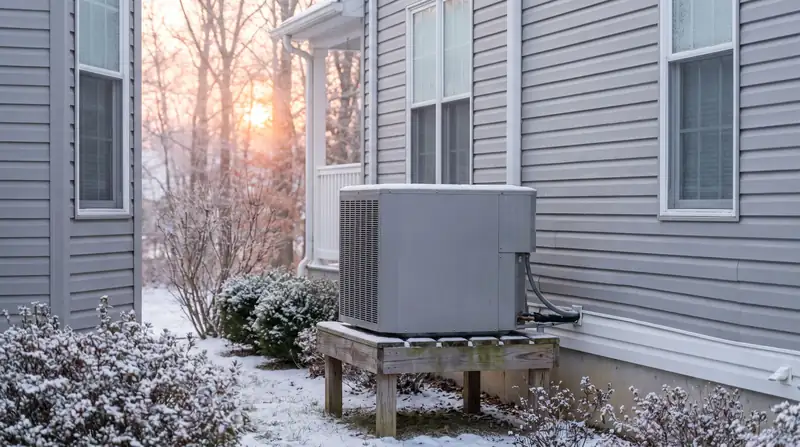

Many Greeley, CO homeowners replacing an aging furnace and AC are switching to a single heat pump instead, and the reason is efficiency. A heat pump does not burn fuel or heat a resistance coil; it moves heat. In cooling mode it carries heat out of the house, and in heating mode a reversing valve sends the refrigerant the other way so the compressor gathers heat from outdoor air and releases it indoors. That lets it deliver two to three times more heat than the electricity it consumes. Modern cold-climate equipment with inverter-driven compressors keeps working well below freezing, a genuine engineering leap over earlier generations.
The repairs homeowners call us about most are AC Repair and Furnace Repair. If something has stopped working, start there.
Warning Signs for Heat Pump Installation
Spotting the early warning signs lets you act before the problem gets expensive. Keep an eye out for the following clues:
- You are electrifying the house or pairing major loads with solar
- Your existing equipment needs refrigerant recharges or big repairs to keep running
- High heating bills from electric baseboard, propane, or oil
- Uneven temperatures year-round with the equipment you have now
- Your utility company is offering incentives for heat pumps
- You want steady, even comfort instead of blast-and-coast temperature swings
- You would like a single system for heating and cooling with one maintenance plan
- An aging AC and furnace you would rather replace with a single system
Act Before It Gets Worse
A failing capacitor, clogged condensate drain, or dirty flame sensor rarely fixes itself and usually gets more expensive to address the longer it runs. Call (970) 602-4917 at the first sign of trouble.